First Grade Quest
A free first-grade learning app and adventure game with Ruby the raccoon. Made for first graders, ages 6 to 8.
FreeNo adsNo data collectedWorks offlineiPhone & iPad
Coming soon for iPhone and iPad.
Screenshots
🦝 Meet Ruby
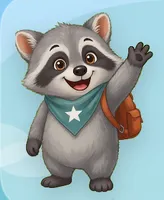
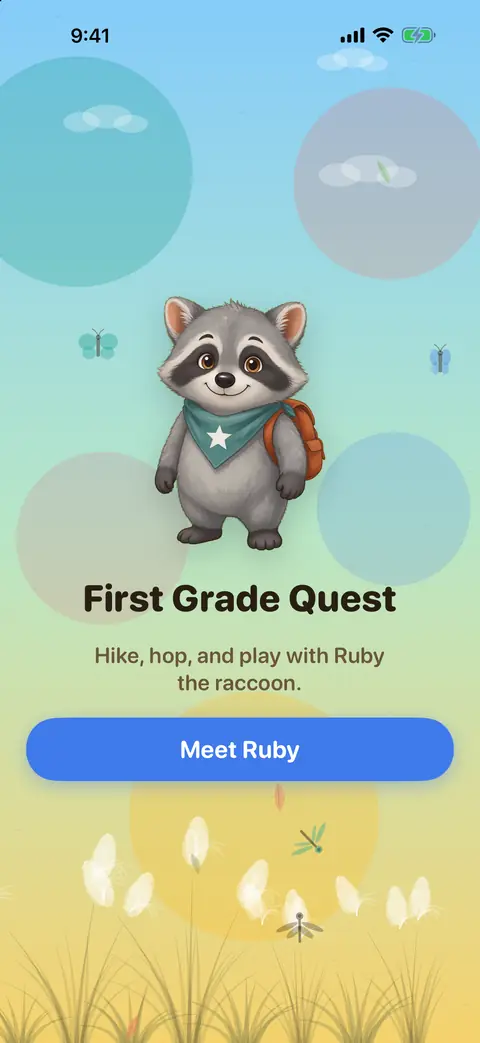
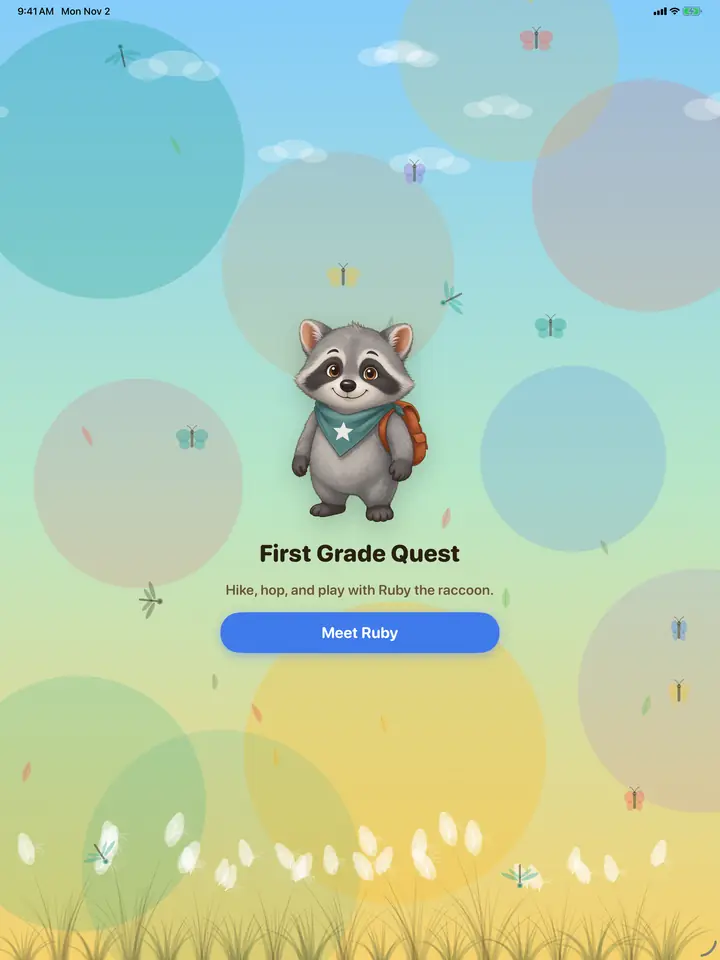
Ruby the raccoon is your child's trail guide. On the first launch Ruby says hi and asks, "What should Ruby call you?" Your child types their first name, and Ruby cheers them on from then on.
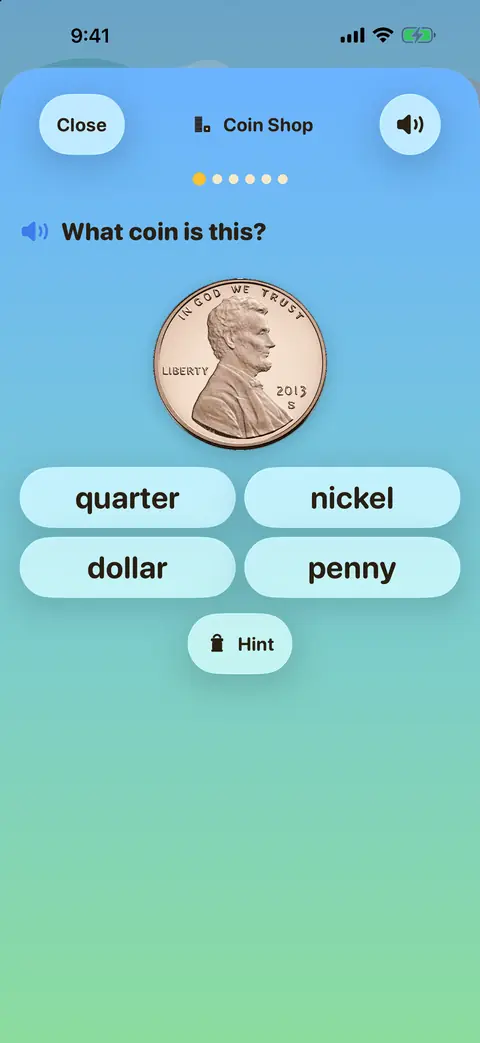
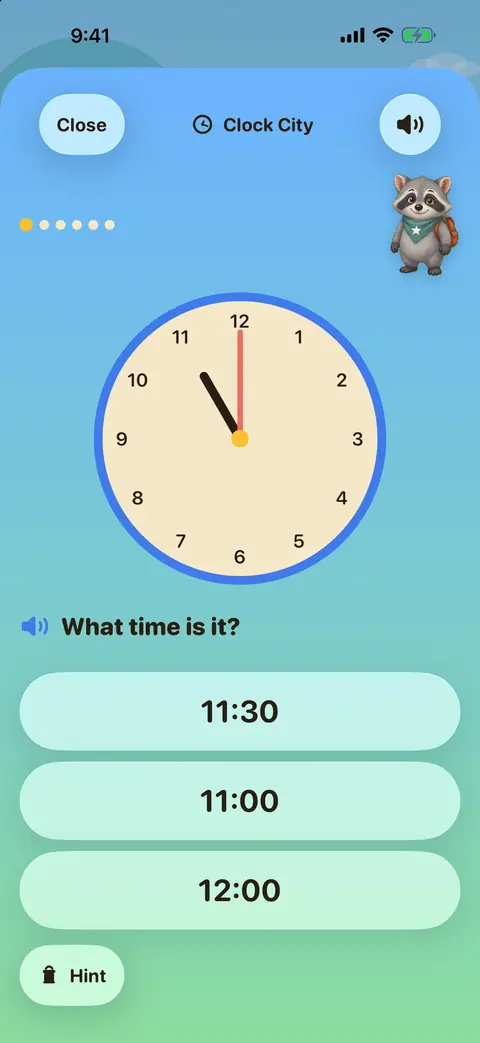
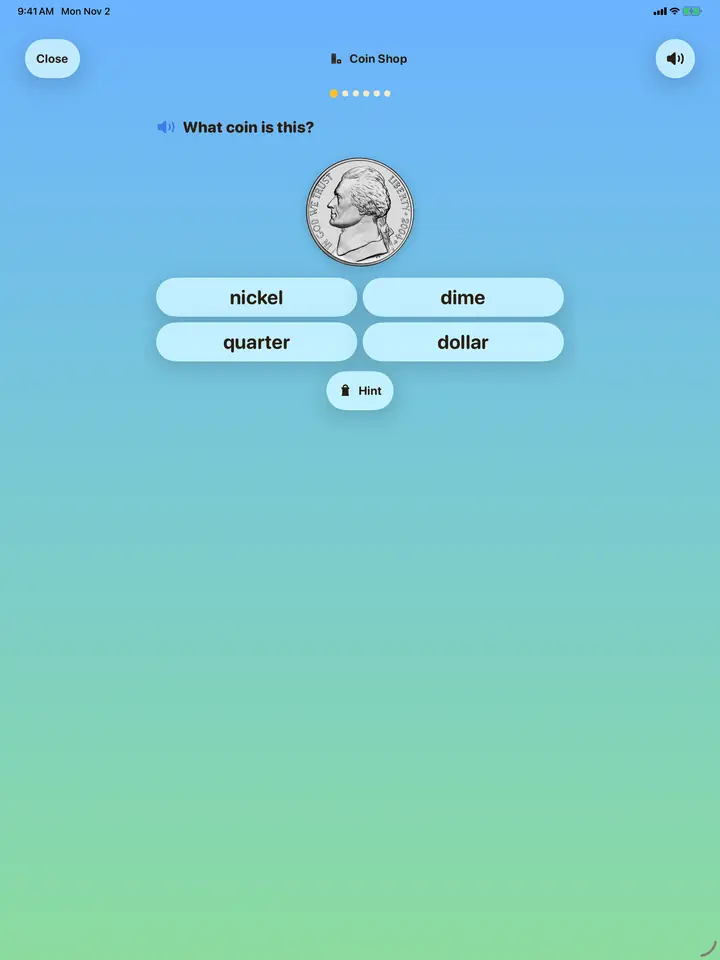
Ruby reads questions and directions out loud in a warm storybook voice, so early readers can play on their own. A speaker button replays any question, and a Hint button helps when a child is stuck. Ruby's voice is built into the app and works without the internet.
What first graders learn in First Grade Quest
First grade is when kids move from counting to place value, from letter sounds to reading whole words, and from talking about ideas to writing complete sentences. First Grade Quest practices those same skills in short, game-sized steps.
54 short activities (about 3 to 5 minutes each) across five zones, built around US first-grade skills in math, reading, writing, science, and social studies. Tap a zone below to see every activity and the first-grade skill it practices (shown with its Common Core or NGSS code where one applies).
Math Mountain: Count, add, and climb. 28 activities · Open from the start
- Count to 120 What number comes next? Counting by ones from any number. 1.NBT.1
- Skip by Tens, Fives, and Twos Hop along a skip-counting race. 1.NBT.1
- Coin Shop Name real pennies, nickels, dimes, and quarters and count cents. 1.MD / 2.MD.8 bonus
- Number Workshop Build numbers to 99 with tens and ones. 1.NBT.2
- Compare Carnival Which number is more? Greater than, less than, equal. 1.NBT.3
- Fact Forest Add and Subtract Facts within 20. 1.OA.6
- Count Forward, Count Back Relate counting to adding and subtracting. 1.OA.5
- Same Both Sides Understand the equal sign and find the missing number. 1.OA.7, 1.OA.8
- Flip and Make Ten Turn-around facts and making ten first. 1.OA.3
- Ten More, Ten Less Mentally add or subtract ten. 1.NBT.5
- Problem Patrol Read a story problem and find how many. 1.OA.1
- Put Together Three Add three groups, sums to 20. 1.OA.2
- Find the Partner Subtract by thinking addition. 1.OA.4
- How Many More, How Many First, The Other Part Compare, start-unknown, and part-unknown story problems. 1.OA.1
- Add and Take Away Bigger Numbers Add tens or ones to a two-digit number; subtract tens. 1.NBT.4, 1.NBT.6
- Measure Up Longest or shortest? How many blocks long? 1.MD.1, 1.MD.2
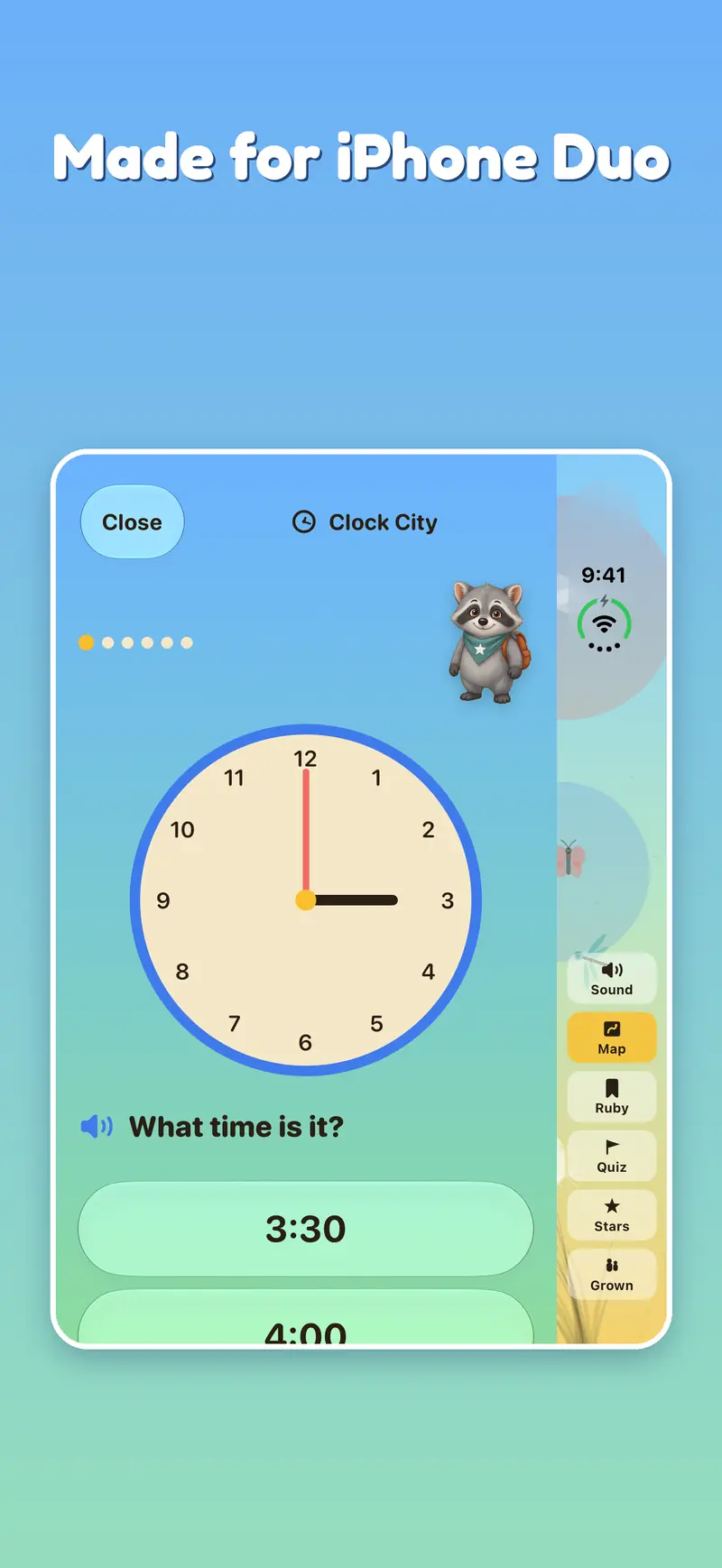
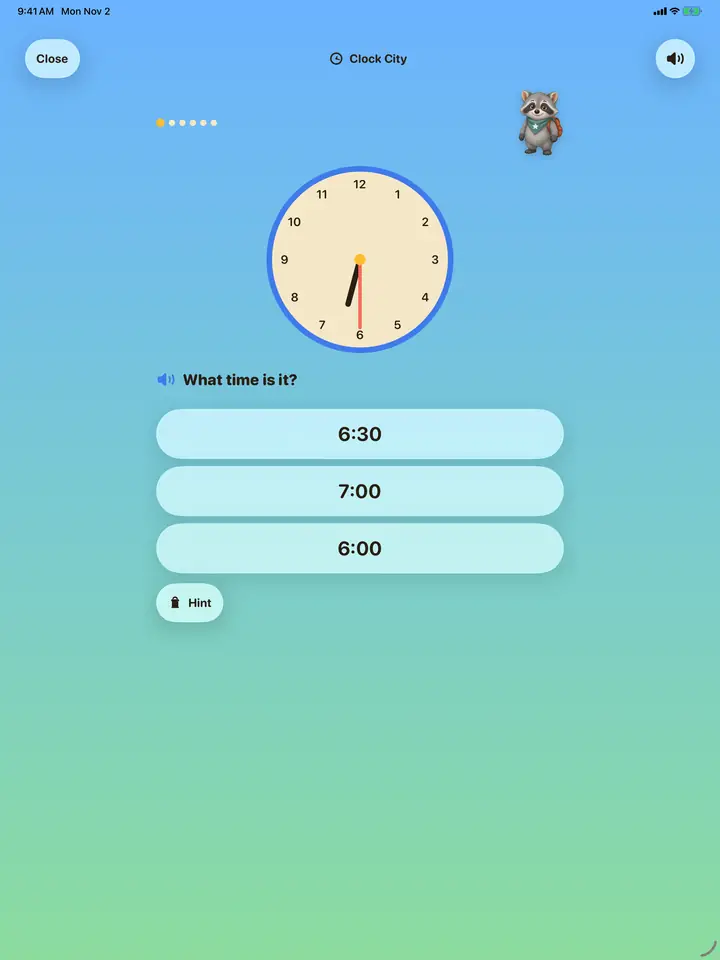
- Clock City Tell time to the hour and half hour. 1.MD.3
- Flat Shapes and Solid Shapes Sides, corners, names; cubes, cones, and balls. 1.G.1, 1.G.2
- Fair Shares Halves and fourths of circles and rectangles. 1.G.3
- Graph Town Read picture graphs: most, fewest, how many more. 1.MD.4
- Save or Spend Income, wants, needs, and saving. Financial literacy
Reading River: Sounds, words, and stories. 6 activities · Opens at 8 stars
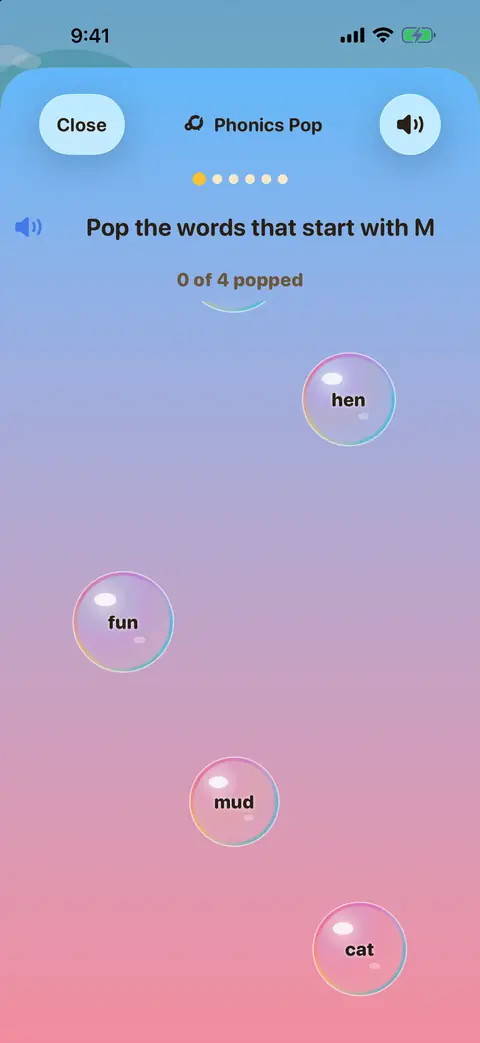
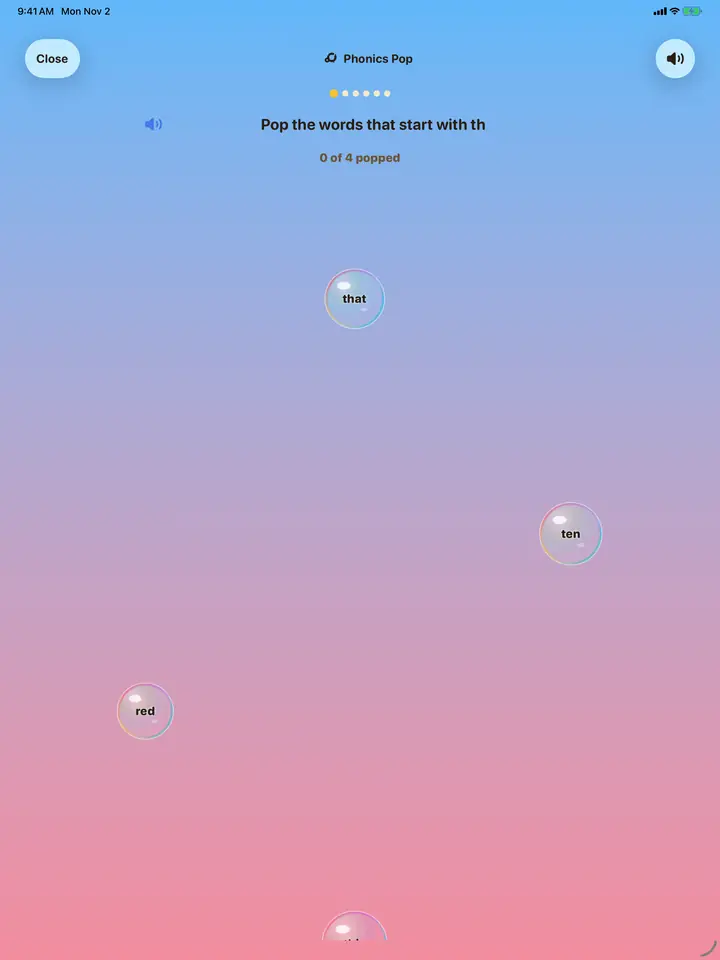
- Phonics Pop Pop the words with the matching sound. RF.1.2
- Sight Word Snap Tap the high-frequency word Ruby says. RF.1.3
- Magic E Hear a magic-e word and tap the one Ruby says. RF.1.3c
- Vowel Teams Two letters team up to make one vowel sound. RF.1.3c
- Story Detective Who, where, and what happened: characters, setting, retelling. RL.1.3
- Fact Finder What is this text mostly about? Main idea. RI.1.2
Writing Workshop: Make sentences shine. 4 activities · Opens at 16 stars
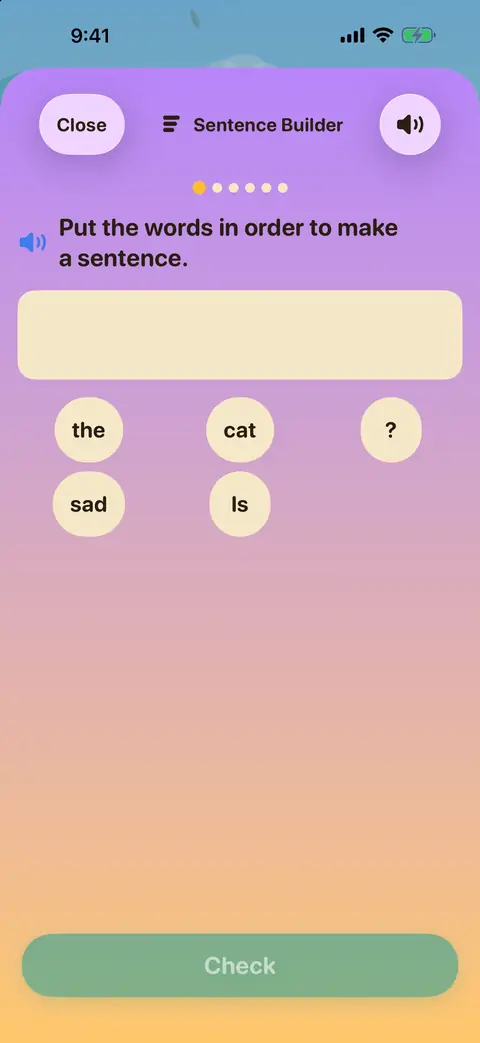
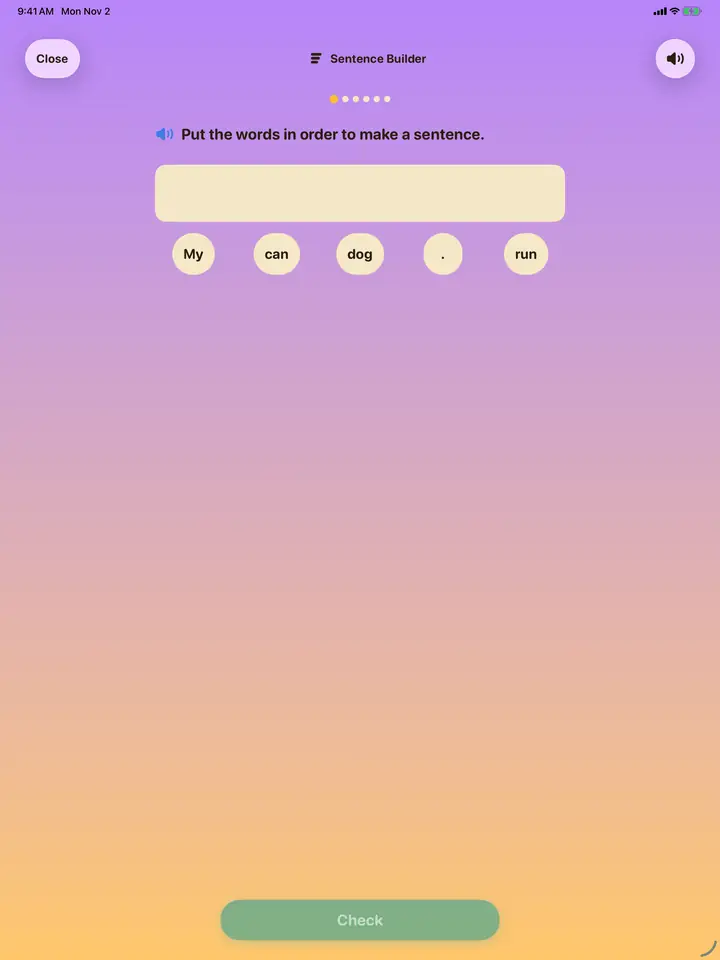
- Sentence Builder Put the words in order to build complete sentences. L.1.1
- Capital Catcher Start with a capital, end with a mark. L.1.2
- Tiny Tales What happened next? Telling a story in order with details. W.1.3
- Fact Writer Pick the real fact and write about a topic. W.1.2
Science Lab: Look, push, and wonder. 8 activities · Opens at 24 stars
- Living Things What plants and animals need. 1-LS1
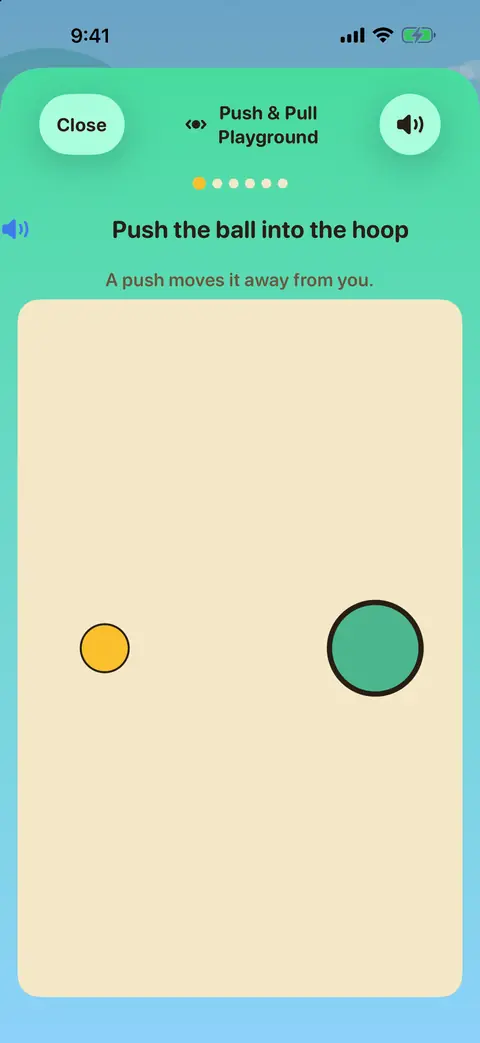
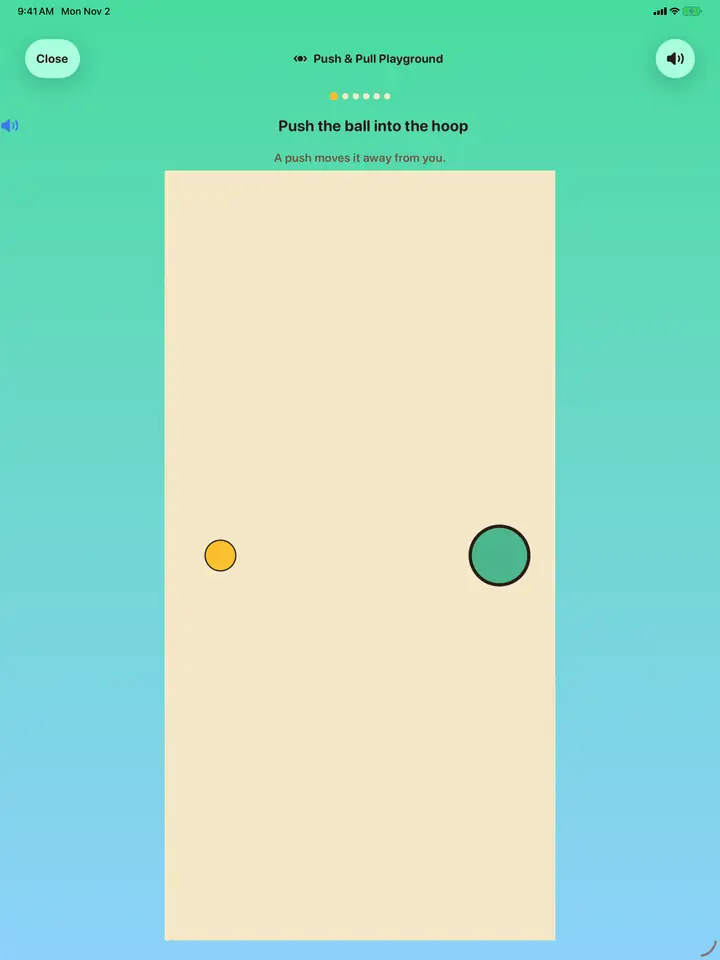
- Push & Pull Playground Forces that make things move. K-PS2-1
- Matter Mix Solid, liquid, or gas, and properties. Physical science
- Light, Sound, Heat What helps us see, hear, and stay warm. 1-PS4
- Lab Notes Ask, try, and notice. Science practices
- Sky Watch Sun, moon, seasons, and weather patterns. 1-ESS1
- Rocks and Soil Earth materials and how we use them. Earth science
- Grow Up How plants and animals grow and use body parts. 1-LS3
Helper City: Helpers, rules, and our flag. 8 activities · Opens at 32 stars
- Helper Hunt Community helpers who keep us safe. Social studies
- Rules of the Road Why we have rules and laws. Civics
- Helper Hero Kind, fair, and helpful choices. Citizenship
- Stars and Stripes The US flag and other national symbols. Civics
- Map Quest Maps, globes, land, water, and directions. Geography
- Then and Now People who helped our country. History
- Special Days Why we celebrate holidays. Social studies
- Need or Want Food is a need; a toy can be a want. Economics
🎯 Pop Quiz
A daily mix of one question from each adventure, so skills from every zone stay fresh.
📈 Practice that adapts
Each skill has five difficulty levels. Three right answers in a row steps it up; two misses in a row steps it back down, so every child plays at their own level.
🗺️ The adventure map and progress
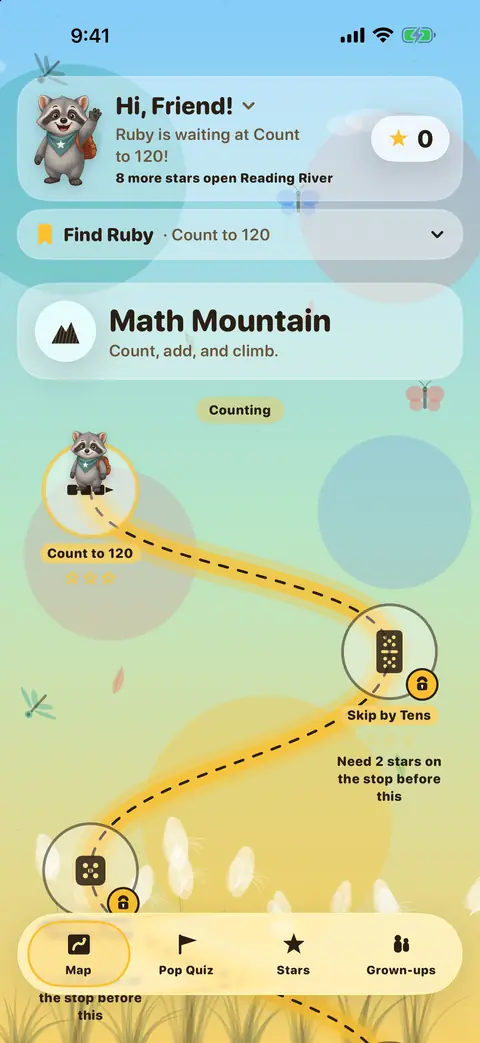
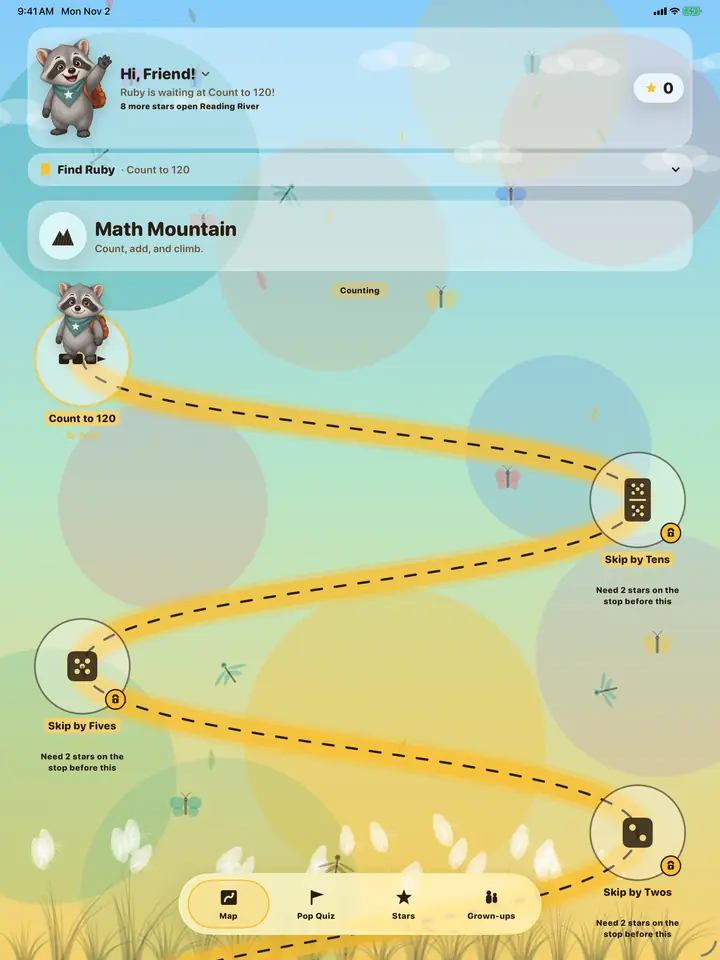
- Each zone is a winding trail of stops. Earning 2 stars on a stop opens the next stop on the trail.
- Every activity awards up to 3 stars, based on correct answers and how many hints were used.
- New zones open as the star jar fills: Math Mountain right away, then Reading River at 8 stars, Writing Workshop at 16, Science Lab at 24, and Helper City at 32.
- A "Find Ruby" banner always shows where to go next.
- Badges celebrate milestones: First Star, Skip Counting Master, Fact Forest Champ, Phonics Pro, Coin Kid, Story Reader, Helper Hero, Star Collector 50, and Trail Explorer (visit every zone).
- Up to 6 explorers per device, each with their own trail, stars, and badges. Great for siblings.
👨👩👧 The grown-ups area
The Grown-ups button is protected by a grown-up gate: a quick multiplication question (like "What is 7 × 8?") so little hands stay on the trail.
Inside, grown-ups can:
- See each explorer's progress and a "Practice next" suggestion for the skill that needs the most work
- Turn Ruby's read-aloud voice and sound effects on or off
- Choose light or dark mode
- Add, switch, reset, or remove explorers
🔒 Privacy highlights
- No data collected, ever
- No ads
- No tracking, analytics, or third-party code
- No internet needed; the app doesn't connect to the internet
- No in-app purchases (the Coin Shop is pretend money math)
- No accounts or sign-in
- No links out of the app
- Names, stars, and progress stay on the device
📱 Supported devices and price
- iPhone and iPad, iOS 17 or later
- iPhone Duo: the layout adapts to the outer cover screen, the inner screen held tall, and the inner screen opened flat like a book
- Works fully offline
- Price: Free. No ads, no in-app purchases, no subscriptions.
❓ FAQ for parents and teachers
What age is First Grade Quest for?
First graders, ages 6 to 8. It's also good for review at the start of second grade, or for kindergartners who are ready for a challenge.
Does my child need to read well to play?
No. Ruby reads questions aloud, and kids can tap the speaker button to hear them again.
Which standards does it follow?
Activities are built around US first-grade skills. Math and English language arts activities line up with Common Core first-grade standards, and science activities line up with NGSS early-grades topics.
Can siblings or a classroom share one device?
Yes. Up to 6 explorers can each have their own trail and stars on one device. Grown-ups can add, reset, or remove explorers.
Is progress synced or backed up?
No. Progress is saved only on the device. Deleting the app deletes the progress.
Does it need Wi-Fi?
No. Everything, including Ruby's voice, works offline. Great for car rides.
Is there anything to buy?
No. It's free, with no ads, no in-app purchases, and no subscriptions.
How do I see how my child is doing?
Open Grown-ups, answer the multiplication question, and you'll see each explorer's progress plus a suggestion for what to practice next.
How long are sessions?
Each activity takes about 3 to 5 minutes, so it's easy to play one or two stops at a time.
💬 Support
Questions or feedback? Email [email protected]. See the support page and privacy policy.